Skin grafting is a vital surgical procedure for effective wound and tissue repair. At South Florida Aesthetic & Reconstructive Surgery, Dr. George Kamel, M.D., a plastic and reconstructive surgeon trained through residency at Albert Einstein College of Medicine and a research fellowship at Harvard / Massachusetts General Hospital, specializes in this technique.
With locations in Hollywood, FL, and Boynton Beach, FL, Dr. Kamel combines his clinical expertise and patient-centered approach to provide individualized care designed for your unique needs. Learning about the different skin grafting techniques can help you make informed decisions about your treatment options.
Dr. Kamel and his team are amazing! They’re very kind and very thorough on ensuring you’re comfortable and well informed about every step of your procedure. I received a breast reduction mid-November and my recovery has been great! You can tell he and his team truthfully care about the work they’re doing and their patients. I was really nervous about my procedure and scars, but from the work Dr. Kamel has done, my worries have become non-existent. I say this as someone who has dealt with overgrown, uncomfortable breast from a very young age. My reduction feels and looks well constructed and I’m very happy with the outcome! Much thanks to Dr. Kamel and his team.
Skin Grafting Techniques For Effective Wound Repair
Skin grafting involves transplanting healthy skin from one area of the body to another to cover damaged or missing skin. This technique is commonly used for patients with burns, traumatic injuries, chronic wounds, or skin loss due to disease or infection. The two primary types of skin grafts are full-thickness skin grafts (FTSG) and split-thickness skin grafts (STSG). Each type has specific applications based on the wound’s size, depth, and location, as well as the patient’s overall health.
The choice of graft type can affect healing time and the aesthetic outcome. It is important to discuss these factors with your surgeon. Knowing the details of each technique can also help you set realistic expectations for recovery and results.
Full-Thickness Skin Grafts Explained
Full-thickness skin grafts (FTSG) include both the epidermis and dermis layers of skin. This type of graft is often used for smaller wounds, such as those resulting from surgical excisions or traumatic injuries. FTSG provides better cosmetic results and is less likely to contract over time compared to STSG. The donor site for FTSG is typically taken from areas with similar skin texture and color, ensuring a more natural appearance after healing.
Also, FTSG is particularly advantageous in areas where cosmetic appearance is critical, such as the face or hands. It tends to blend well with the surrounding skin. The healing process for FTSG can be more predictable, as it typically integrates well with the surrounding tissue, leading to a more satisfactory outcome.
Split-Thickness Skin Grafts Overview
Split-thickness skin grafts (STSG) consist of the epidermis and a portion of the dermis. This type of graft is commonly used for larger wounds, such as those caused by burns or extensive skin loss. STSG is easier to harvest and can cover a larger area, but it may not provide the same cosmetic results as FTSG. The donor site for STSG can be from various body parts, and it typically heals well, allowing for the possibility of multiple grafts from the same site.
Also, STSG can be expanded to cover larger areas by meshing the graft, which allows for better integration and healing in irregularly shaped wounds. The versatility of STSG makes it a preferred choice in emergency situations where rapid coverage of a wound is necessary.
Choosing The Right Skin Graft For Your Needs
Choosing the right skin graft depends on several factors, including the size and location of the wound, the depth of tissue loss, and your overall health. Dr. Kamel will evaluate your specific situation during your consultation to determine the most suitable graft type. Factors such as the potential for graft failure and the need for additional procedures will also be discussed to ensure you have a clear grasp of your options.
It’s also important to consider the patient’s lifestyle and activity level, as these can impact the healing process and the choice of graft. For instance, patients with active lifestyles may benefit from grafts that allow for quicker recovery times and less post-operative care.
The Skin Grafting Procedure Step By Step
The skin grafting procedure typically begins with the harvesting of skin from a donor site. After the skin is prepared, it is secured over the wound using sutures or staples. The area is then dressed to protect the graft and promote healing. Initial attachment of the graft usually occurs within the first week, but complete healing may take several months.
Dr. Kamel will guide you through each step of the process, ensuring you feel informed and comfortable. During this time, he will also discuss pain management options. He will explain what to expect during the recovery phase.
This includes any discomfort you might feel at the donor site. Grasp the timeline of healing can help set realistic expectations and ease any anxiety about the recovery process.
Post-Operative Care For Optimal Healing
Post-operative care is crucial for the success of your skin graft. You will receive specific instructions on how to care for the graft site, including keeping it clean and dry. Avoiding strenuous activities and protecting the area from sun exposure are also important. Regular follow-up appointments will be scheduled to monitor your healing progress and address any concerns that may arise.
Also, you may be advised to use ointments or dressings that help healing and reduce scarring. This can improve the outcome for your graft. Adhering to these guidelines is essential, as neglecting post-operative care can lead to complications that may hinder recovery.


Monitoring For Graft Success And Complications
Monitoring the success of your skin graft is essential. Signs of successful integration include a healthy color and texture of the grafted skin. Still, complications such as graft failure or infection can occur. Dr. Kamel will provide guidance on what to watch for and when to seek help.
Early detection of any issues can lead to better outcomes and may require additional interventions. Grasp the signs of complications, such as increased redness, swelling, or discharge, can empower you to take proactive steps in your recovery. Also, knowing the typical healing timeline can help you distinguish between normal recovery signs and potential problems.
Frequently Asked Questions About Skin Grafting
-
Skin grafting is a surgical procedure that involves moving healthy skin from one part of the body to cover damaged skin in another area. This is often used for wounds from burns, injuries, or skin loss due to disease.
-
There are two main types of skin grafts: full-thickness skin grafts (FTSG) and split-thickness skin grafts (STSG). FTSG includes both the epidermis and dermis, while STSG includes the epidermis and part of the dermis, making each suitable for different types of wounds.
-
The procedure starts with harvesting skin from a donor site, which is then secured over the wound. The area is dressed to protect the graft, and initial attachment usually happens within the first week.
-
Recovery times can vary based on the type of graft used and individual health. Patients will receive specific care instructions to promote healing and minimize risks, including follow-up appointments to monitor progress.
-
While skin grafting is generally safe, there are risks such as graft failure or infection. It’s important to monitor the graft site for any unusual signs and follow your surgeon’s advice for post-operative care.
Why Choose Us For Skin Grafting?
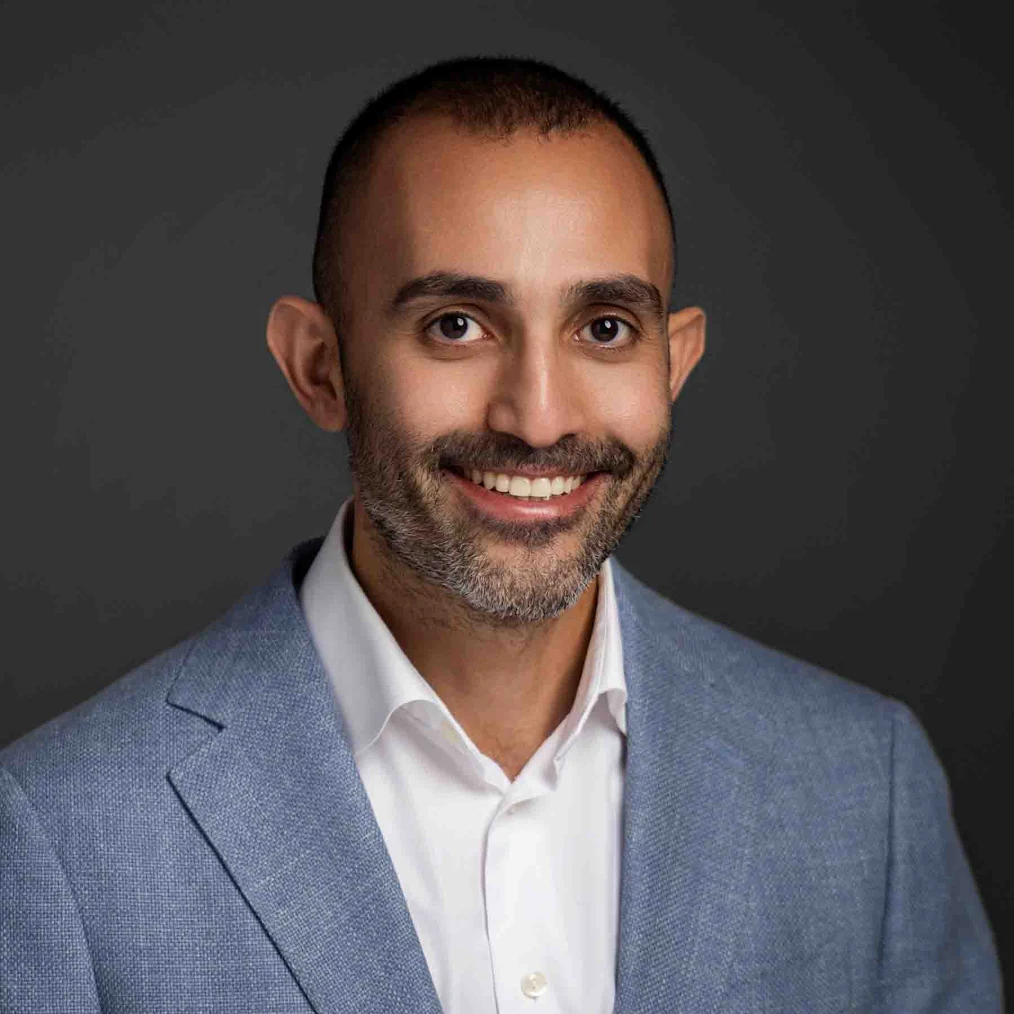
At South Florida Aesthetic & Reconstructive Surgery, we focus on you. Dr. George Kamel, M.D., a plastic and reconstructive surgeon trained through residency at Albert Einstein College of Medicine and a research fellowship at Harvard / Massachusetts General Hospital, uses his skills to create a personalized plan for your skin grafting needs. With locations in Hollywood and Boynton Beach, we are conveniently here for you.
We prioritize natural results and compassionate care. Dr. Kamel takes the time to explain your options and what to expect. You will feel supported throughout your journey. Our approach combines evidence-based practices with a focus on your unique anatomy and goals.
Whether you need a full-thickness or split-thickness skin graft, we have the expertise to help. Your healing and satisfaction are our top priorities. Trust us to guide you through this important process.
Contact UsSchedule Your Consultation For Skin Grafting Today
If you are considering skin grafting in Hollywood, FL, contact South Florida Aesthetic & Reconstructive Surgery to schedule your consultation with Dr. George Kamel, M.D. His individualized approach and commitment to natural results ensure you receive the best care personalized to your needs. Take the first step toward effective wound repair today.