
Facelift recovery is a crucial phase following your cosmetic procedure, designed to rejuvenate your appearance by lifting and tightening the skin. At South Florida Aesthetic & Reconstructive Surgery, Dr. George Kamel, M.D., a board-certified plastic and reconstructive surgeon with a medical degree from Penn State College of Medicine and residency training at Albert Einstein College of Medicine / Montefiore Medical Center, New York City, guides you through every step of this process.
With locations in Boynton Beach and Hollywood, FL, Dr. Kamel combines his advanced craniofacial research fellowship training at Harvard / Massachusetts General Hospital and an individualized care philosophy to ensure you have a smooth recovery experience. His commitment to patient education means you will be well-informed about what to expect, which can significantly alleviate anxiety surrounding the recovery process.
Dr Kamel was amazing! Referred by a family friend, great experience! He’s a great doctor and his staff is just as grea!
Key Phases of Facelift Recovery Timeline
Facelift recovery timelines help set realistic expectations. The initial recovery phase typically spans several weeks. In the first few days, you may experience swelling, bruising, and tightness, which are normal. These symptoms are part of your body’s natural healing response and can vary in intensity from patient to patient.
By the end of the first week, many patients feel more comfortable, and stitches are often removed. This is a significant milestone, marking the transition from the acute recovery phase to a more manageable healing period. As you progress into the second week, you can gradually return to light activities, although some swelling may still be present. Full recovery can take up to six months, with the final results becoming clearer as your skin settles into its new contours.
During this time, patience is essential to allow your body to heal at its own pace. Dr. Kamel’s approach is evidence-based, reflecting current clinical research and surgical techniques.
Initial Symptoms After Facelift Surgery
After your facelift surgery, it is common to experience symptoms such as swelling, bruising, and a feeling of tightness in the face. These symptoms usually peak within the first few days. The swelling occurs as a result of increased blood flow to the surgical area, which is essential for healing but can be uncomfortable. Managing these initial symptoms effectively is essential for a smoother recovery.
Ice packs can be particularly beneficial in the first 48 hours post-surgery, as they help constrict blood vessels and reduce swelling. It is also important to monitor your symptoms; if you notice excessive swelling or unusual pain, contact Dr. Kamel immediately for guidance. His membership in the American Society of Plastic Surgeons (ASPS) and Florida Society of Plastic Surgeons (FSPS) ensures adherence to high standards of patient care and safety.

Managing Pain and Discomfort Effectively
Effective pain management is crucial during your facelift recovery. Dr. Kamel may prescribe medications to help alleviate discomfort. These may include over-the-counter pain relievers or stronger prescription medications, depending on your individual needs. Following your surgeon’s instructions on medication use will help you manage pain and enhance your overall recovery experience.
Keeping a pain diary to track your discomfort levels and medication effectiveness can be helpful during follow-up appointments. Relaxation techniques such as deep breathing or gentle stretching can further aid in managing discomfort and promoting a sense of calm during your recovery. Dr. Kamel’s clinical fellowship training at University of California San Diego / Rady Children’s Hospital supports his comprehensive grasp of surgical recovery management.
Post Facelift Care for Optimal Healing
Post facelift care is vital for optimal healing. Keeping your head elevated can reduce swelling, while applying cold compresses can provide relief. It is also important to keep the surgical area clean and dry to prevent infection. Following Dr. Kamel’s postoperative care instructions meticulously will support your recovery and help you achieve the best possible results.
This may include specific guidelines on how to clean the incision sites, when to apply ointments, and how to manage any drains that may have been placed during surgery. Avoiding smoking and alcohol during your recovery can significantly enhance your healing process, as both substances can impede blood flow and delay recovery. Dr. Kamel’s research fellowship, awarded a grant from the Plastic Surgery Foundation, reflects his dedication to evidence-based postoperative care.
Tips for a Smooth Facelift Recovery
To ensure a smooth facelift recovery, consider the following tips:
- Maintain a balanced diet rich in vitamins. Foods high in vitamin C, such as citrus fruits and leafy greens, can promote collagen production and aid in skin healing.
- Stay hydrated to support healing. Adequate hydration helps maintain skin elasticity and can reduce the appearance of swelling.
- Avoid strenuous activities until cleared by your surgeon. Engaging in heavy lifting or intense workouts too soon can increase blood flow to the face and exacerbate swelling.
- Protect your skin from sun exposure to prevent complications. Using a broad-spectrum sunscreen and wearing hats can shield your healing skin from harmful UV rays.
Returning to Normal Activities After Surgery
Most patients can return to light activities and work within two weeks post-surgery. It is essential to listen to your body and not rush the process. Full recovery may take longer, and you should consult Dr. Kamel before resuming more strenuous activities.
Engaging in gentle walks can be beneficial during the early recovery phase, as it promotes circulation without putting undue stress on your healing body. Consider scheduling follow-up appointments to monitor your progress and address any concerns that may arise as you transition back to your normal routine.


Nutritional Support for Facelift Recovery
Nutritional support plays a significant role in your facelift recovery. A diet rich in vitamins and minerals can aid in healing. Focus on consuming fruits, vegetables, and lean proteins to support your body during this time. Foods high in antioxidants, such as berries and nuts, can help combat inflammation and promote skin health.
Incorporating omega-3 fatty acids found in fish and flaxseeds can support cellular repair and reduce swelling. It may also be beneficial to consult with a nutritionist who can provide personalized dietary recommendations based on your recovery needs.
Emotional Wellbeing During the Healing Process
Emotional wellbeing is just as important as physical healing during your facelift recovery. It is normal to experience a range of emotions as you heal, including excitement about your new appearance and anxiety about the recovery process. Surround yourself with supportive friends and family, and do not hesitate to reach out to Dr. Kamel if you have concerns about your recovery. Engaging in mindfulness practices, such as meditation or journaling, can also help you process your feelings and maintain a positive outlook during this transformative time.
Frequently Asked Questions About Facelift Recovery
-
In the initial days following your facelift, it is common to experience swelling, bruising, and tightness in the facial area. These symptoms are part of the natural healing process and typically peak within the first few days, so managing discomfort with prescribed medications and following your surgeon’s care instructions closely is essential.
-
The recovery timeline for a facelift generally spans several weeks, with significant improvements often noticed at different stages. While many patients feel comfortable enough to return to light activities within two weeks, full recovery can take up to six months as your skin settles into its new contours.
-
To facilitate a smooth recovery, maintain a balanced diet rich in vitamins and stay hydrated. Avoid strenuous activities until cleared by your surgeon, and protect your healing skin from sun exposure to minimize complications.
-
Effective pain management is crucial during your recovery period. Your surgeon may prescribe medications to help alleviate discomfort, and keeping a pain diary can assist in tracking your symptoms and medication effectiveness, ensuring you receive attentive care.
-
If you experience excessive swelling, unusual pain, or any other concerning symptoms, it is important to contact your surgeon immediately. Open communication with your healthcare provider will help address any issues promptly and support a smoother recovery process.
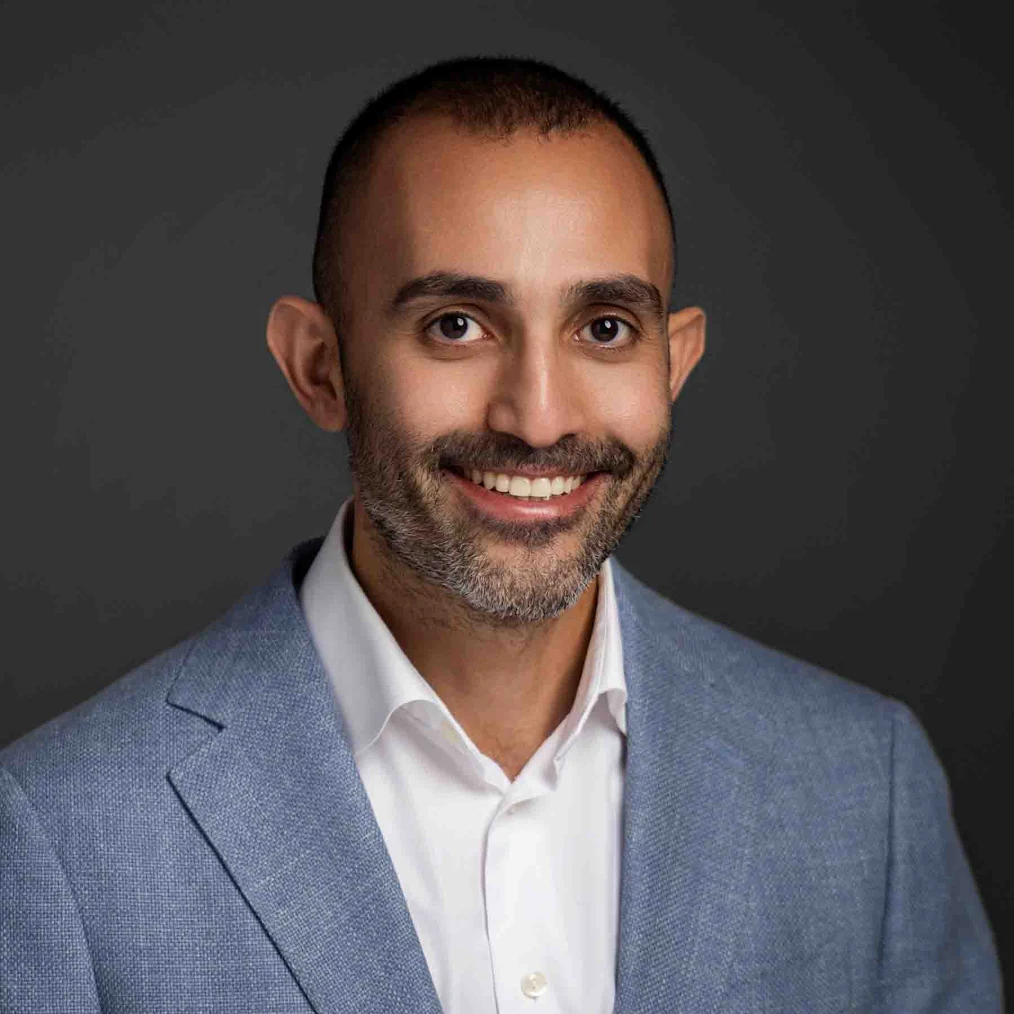
Why Choose South Florida Aesthetic & Reconstructive Surgery for Your Facelift Recovery
At South Florida Aesthetic & Reconstructive Surgery, we prioritize individualized care and a compassionate approach to your facelift recovery. Led by board-certified plastic and reconstructive surgeon Dr. George Kamel, M.D., our practice is dedicated to ensuring that each patient receives personalized attention and support throughout their healing journey. With locations in Boynton Beach and Hollywood, FL, we are conveniently positioned to serve patients across South Florida.
Dr. Kamel combines his extensive training, including a medical degree from Penn State College of Medicine and advanced fellowship training, to provide evidence-based care designed around your unique anatomy and aesthetic goals. Our focus on natural, balanced results means that you can expect a recovery process that enhances your features while prioritizing your comfort and wellbeing.
We recognize that the recovery process can be challenging, which is why we emphasize clear communication and education. Our team is here to guide you through each phase of your facelift recovery, ensuring that you feel informed and supported every step of the way. Dr. Kamel is an active member of the American Society of Plastic Surgeons (ASPS) and The Plastic Surgery Foundation, contributing to ongoing research and surgical advancements.
Contact UsSchedule Your Consultation for Personalized Care
Ready to learn more about facelift recovery? Schedule your consultation with Dr. George Kamel in Boynton Beach or Hollywood, FL. With his individualized care approach, medical degree from Penn State College of Medicine, and advanced craniofacial research fellowship training, you will be well-supported throughout your recovery journey.
Dr. Kamel and his team are dedicated to ensuring that you feel confident and informed every step of the way, making your recovery as smooth and successful as possible. Please note that individual results may vary based on personal circumstances and treatment plans.