Rhinoplasty recovery is a vital phase following your nasal surgery, and knowing what to expect can greatly enhance your healing experience. At South Florida Aesthetic & Reconstructive Surgery, Dr. George Kamel, M.D., a board-certified plastic and reconstructive surgeon with a medical degree from Penn State College of Medicine and residency training at Albert Einstein College of Medicine / Montefiore Medical Center, New York City, is dedicated to providing individualized care designed for your unique needs.
With locations in Boynton Beach and Hollywood, FL, Dr. Kamel combines his advanced craniofacial research fellowship experience at Harvard / Massachusetts General Hospital with clinical expertise to ensure a smooth recovery process for every patient. His commitment to patient education means you will be well-informed about each step of your recovery journey, allowing you to feel more at ease during this transformative time.
Dr. Kamel is the best surgeon I have encountered, hands down. Bedside manner is amazing and his medical expertise is even more so. I would trust him with any procedure whether it be for myself or a loved one.
Rhinoplasty Recovery Timeline Overview
The rhinoplasty recovery timeline typically spans several weeks, with significant changes occurring during this period. Initially, you may experience swelling and bruising, particularly around the nose and eyes. Knowing this timeline helps set realistic expectations for your recovery journey. The first week is often marked by the most noticeable swelling and discomfort, while the second week may see a gradual reduction in these symptoms.
By the end of the first month, many patients begin to see more significant improvements in their nasal appearance, although complete healing can take up to a year. This timeline is influenced by various factors, including the complexity of the surgery and individual healing rates.
First 24 Hours After Rhinoplasty Surgery
In the first 24 hours post-surgery, you may feel groggy from anesthesia. It is crucial to keep your head elevated to minimize swelling. During this time, you should focus on rest and follow any prescribed pain management protocols to ensure comfort. It is also advisable to have a trusted friend or family member assist you during this initial recovery phase, as you may need help with basic tasks.
Staying hydrated is essential, so keep water nearby and sip frequently, as this can aid in your overall recovery process. Be prepared for some discomfort, which is normal, and do not hesitate to reach out to your surgical team if you have any concerns.


Managing Swelling and Bruising Effectively
Swelling and bruising are common after rhinoplasty. To manage these effects, apply cold compresses as directed and avoid strenuous activities. Keeping your head elevated while sleeping can also help reduce swelling significantly. While some swelling is expected, excessive swelling or changes in color may indicate a need for medical attention.
Incorporating gentle movements, such as walking, can promote circulation and help reduce swelling. Avoiding salty foods can prevent water retention, which may exacerbate swelling. Patience is key, as the body needs time to heal properly.
Post-Operative Care Tips for Rhinoplasty
Effective post-operative care is essential for a smooth recovery. Follow Dr. Kamel’s instructions closely, which may include taking prescribed medications, attending follow-up appointments, and avoiding certain activities that could strain your healing nose. Keeping a journal of your recovery can be beneficial; note any changes in your symptoms or concerns you may have. This information can be invaluable during follow-up visits.
Consider using a humidifier in your room to keep the air moist, which can help alleviate nasal dryness and discomfort during the healing process. Dr. Kamel, a member of the American Society of Plastic Surgeons and the Florida Society of Plastic Surgeons, integrates evidence-based practices into his post-operative care recommendations.
Returning to Daily Activities After Surgery
Most patients can resume light daily activities within a week, but it is important to avoid strenuous exercise and contact sports for several weeks. By the end of the first month, many individuals feel comfortable returning to their normal routines, although caution is still advised. Activities that involve bending over or heavy lifting should be avoided for at least a month to prevent any strain on your healing nose.
Gradually reintroducing activities can help you gauge your comfort level and ensure that you are not overexerting yourself too soon. Listening to your body during this time is crucial, as everyone heals at their own pace.
Signs of Complications to Monitor
During your recovery, be vigilant for signs of complications such as persistent swelling, difficulty breathing, or any unusual symptoms. If you notice anything concerning, contact Dr. Kamel immediately for guidance. It is also wise to familiarize yourself with the signs of infection, such as fever or increased redness around the surgical site.
Keeping a close eye on your recovery can help catch any potential issues early, allowing for prompt intervention. Maintaining open communication with your healthcare team can provide reassurance and support throughout your recovery process.

Long-Term Changes in Nasal Appearance
As your recovery progresses, you will notice gradual changes in your nasal appearance. Most swelling resolves within three to six months, with final results becoming more apparent over time. It is common for subtle changes to occur for up to a year as your nose settles into its new shape. Knowing that the final results may take time can help manage your expectations and reduce anxiety about your appearance.
Regular follow-up appointments with Dr. Kamel, who has published peer-reviewed papers and presented at national and international surgical conferences, can provide you with updates on your healing progress and allow for any necessary adjustments to your care plan.
Maintaining Healthy Habits During Recovery
Maintaining a healthy lifestyle during your recovery is crucial. Stay hydrated, eat nutritious foods, and follow Dr. Kamel’s post-operative care instructions to support optimal healing and enhance your results. Incorporating foods rich in vitamins C and K can promote healing and reduce inflammation. Avoiding alcohol and smoking during your recovery is also essential, as these substances can impede the healing process. Engaging in light, non-strenuous activities, such as walking, can improve circulation and overall well-being, contributing positively to your recovery experience.
Frequently Asked Questions about Rhinoplasty Recovery
-
In the first 24 hours post-surgery, you may feel groggy from anesthesia and should focus on rest. Keeping your head elevated can help minimize swelling, and having a trusted friend or family member assist you with basic tasks is advisable during this time.
-
Swelling is a common part of the recovery process and typically peaks within the first 48 hours. Most patients notice a significant reduction in swelling by the end of the first week, but some residual swelling may persist for several months.
-
Most patients can resume light daily activities within a week, but it is crucial to avoid strenuous exercise and contact sports for several weeks. By the end of the first month, many individuals feel comfortable returning to their regular routines, although caution is still advised.
-
During your recovery, be vigilant for signs of complications such as persistent swelling, difficulty breathing, or unusual symptoms. If you notice anything concerning, it is essential to contact your surgeon for guidance to ensure proper care.
-
Maintaining a healthy lifestyle during your recovery is vital. Staying hydrated, eating nutritious foods, and following your surgeon’s post-operative care instructions can significantly enhance your healing experience and overall results.
Why Choose South Florida Aesthetic & Reconstructive Surgery for Your Rhinoplasty Recovery
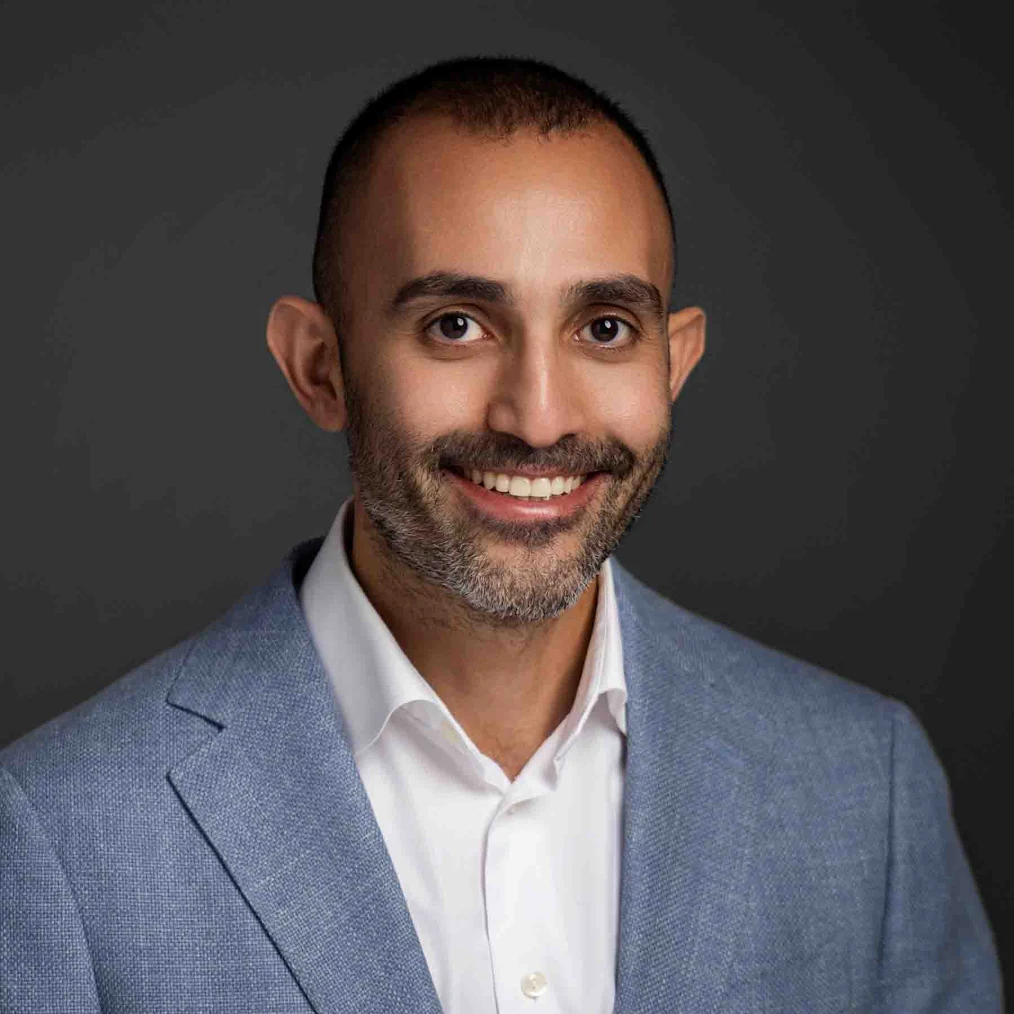
At South Florida Aesthetic & Reconstructive Surgery, we prioritize individualized care designed for your unique recovery needs. Dr. George Kamel, M.D., a board-certified plastic and reconstructive surgeon with residency training in general and plastic surgery at Albert Einstein College of Medicine / Montefiore Medical Center, combines his clinical fellowship experience with a patient-centered approach to guide you through every step of your rhinoplasty recovery. With locations in Boynton Beach and Hollywood, FL, our practice is dedicated to ensuring you feel informed and supported throughout your healing journey.
Dr. Kamel’s philosophy emphasizes natural, balanced results and evidence-based practices. He takes the time to explain the recovery timeline and post-operative care, ensuring you understand what to expect as you heal. Our compassionate approach means you will receive the attention and care necessary to achieve the best possible outcome for your nasal appearance.
Contact UsSchedule Your Consultation for Rhinoplasty Today
Ready to learn more about rhinoplasty recovery? Schedule your consultation with Dr. George Kamel at South Florida Aesthetic & Reconstructive Surgery in Boynton Beach or Hollywood, FL. With his individualized approach and commitment to compassionate care, you can feel confident in your journey toward a refreshed nasal appearance.
Dr. Kamel and his team, recognized by the American Institute of Plastic Surgeons for patient satisfaction and listed in Marquis Who’s Who 2025, are dedicated to ensuring you have all the information and support you need for a successful recovery, helping you achieve results that align with your aesthetic goals. Please note that individual results may vary based on personal healing and other factors.