
Knowing the best age for a facelift is crucial for anyone considering this transformative procedure. At South Florida Aesthetic & Reconstructive Surgery, Dr. George Kamel, M.D., a plastic and reconstructive surgeon with a medical degree from Penn State College of Medicine and residency training at Albert Einstein College of Medicine / Montefiore Medical Center, New York City, provides guidance specific to your unique needs.
With locations in Hollywood and Boynton Beach, Dr. Kamel combines his advanced craniofacial research fellowship at Harvard / Massachusetts General Hospital experience with a compassionate approach to help you achieve your aesthetic goals. His practice is built on a foundation of trust, ensuring that each patient feels comfortable and informed throughout their journey.
Dr Kamel was amazing! Referred by a family friend, great experience! He’s a great doctor and his staff is just as grea!
Discovering the Ideal Age for a Facelift
The ideal age for a facelift varies significantly among individuals, but many patients explore this option between 40 and 65 years old. This age range often marks when signs of aging, such as sagging skin and deepening facial folds, become more pronounced. Some individuals in their late 30s may also consider a facelift if they notice early signs of aging, such as skin laxity. The aging process is not uniform; factors such as lifestyle, environmental exposure, and overall health can accelerate or delay visible signs of aging.
Therefore, a personalized assessment by a surgeon who is a member of the American Society of Plastic Surgeons (ASPS) is critical to determine the right timing for each individual.
Signs of Aging That May Prompt a Facelift
Common signs that may indicate readiness for a facelift include noticeable sagging skin, deep wrinkles, and a tired appearance that does not reflect your inner vitality. If you find that non-surgical treatments like fillers or Botox are no longer effective, it may be time to consider a facelift. Dr. Kamel can help assess your unique facial structure and aging patterns to determine the best approach for you.
Patients often report feeling self-conscious about their appearance, which can impact social interactions and professional opportunities. A facelift can restore physical appearance and may enhance self-esteem and confidence, though individual results may vary.

Factors Influencing the Decision for a Facelift
Several factors influence the decision to undergo a facelift, including personal goals, skin condition, and overall health. Genetics and lifestyle choices, such as sun exposure and smoking, also play a significant role in how your skin ages. Considering these factors is essential when deciding on the timing of your facelift. For instance, individuals with a history of sun damage may experience more pronounced aging, prompting them to seek surgical intervention sooner.
Emotional readiness and support from family and friends can also significantly impact the decision-making process, as undergoing surgery is not just a physical change but an emotional journey as well.
Age Range for Considering a Facelift Procedure
While many patients opt for a facelift in their 40s to 60s, age alone should not dictate your decision. Each person’s skin condition and aging process are unique. Dr. Kamel emphasizes that the best age for a facelift is subjective and should be determined through careful consideration of individual circumstances and professional guidance. Advances in surgical techniques and technology have made facelifts more accessible and effective for a broader age range, allowing for solutions that can accommodate younger patients who may benefit from earlier intervention.
Non-Surgical Alternatives Before a Facelift
For younger patients or those hesitant to undergo surgery, non-surgical alternatives may be recommended. Options like dermal fillers, Botox, and skin tightening treatments can help maintain facial harmony and delay the need for surgery. These treatments can be effective in addressing early signs of aging without the commitment of a surgical procedure. Non-invasive options often require minimal downtime, making them appealing for individuals with busy lifestyles.
Regular consultations with a plastic surgeon who is a member of the Florida Society of Plastic Surgeons (FSPS) can help patients stay informed about the latest advancements in non-surgical treatments, ensuring they choose the best options for their needs.
Role of Genetics in Facial Aging
Your genetic makeup significantly influences how your face ages. Some individuals may experience signs of aging earlier than others due to hereditary factors. Grasp your family history can provide insight into your own aging process and help you make informed decisions about when to consider a facelift.
For example, if you have relatives who have maintained youthful appearances into their later years, you may feel more inclined to explore non-surgical options for a longer period. Conversely, those with a family history of early aging may choose to consult with a surgeon sooner to address their concerns proactively.


Consultation with a Qualified Plastic Surgeon
Consulting with a qualified plastic surgeon is essential for anyone considering a facelift. Dr. Kamel takes the time to explain your options, set realistic expectations, and ensure you feel supported throughout your care. A thorough consultation will help you understand the potential risks and benefits of the procedure, allowing you to make an informed decision. During this initial meeting, patients are encouraged to ask questions about the procedure, recovery, and expected outcomes, fostering a collaborative relationship that prioritizes patient comfort and satisfaction.
Recovery Timeline After a Facelift
Recovery from a facelift typically takes two to four weeks, with younger patients often experiencing quicker healing times. It is important to follow post-operative care instructions to support optimal healing. Dr. Kamel will provide guidance on what to expect during your recovery and how to care for your skin post-surgery.
Grasp the recovery process can help patients plan their return to daily activities, including work and social engagements. Emotional support during recovery is also vital, as patients may experience a range of feelings as they adjust to their new appearance.
Frequently Asked Questions about the Best Age for a Facelift
-
The ideal age for a facelift varies among individuals, but many patients typically explore this option between the ages of 40 and 65. At our practice, we carefully evaluate each patient’s skin quality, facial structure, and lifestyle factors to recommend the most appropriate timing for surgery. This age range often marks when signs of aging, such as sagging skin and deepening facial folds, become more noticeable.
-
Common signs include noticeable sagging skin, deep wrinkles, and a tired appearance that does not reflect your inner vitality. If non-surgical treatments like fillers or Botox are no longer effective, it may be time to consider a facelift. Dr. Kamel assesses each patient’s facial anatomy and aging patterns to tailor the surgical approach accordingly.
-
Several factors influence the decision to undergo a facelift, including personal goals, skin condition, and overall health. Genetics and lifestyle choices, such as sun exposure and smoking, can also significantly impact how your skin ages. Our consultations include a comprehensive evaluation to ensure the procedure aligns with your health status and aesthetic objectives.
-
Yes, younger patients or those hesitant to undergo surgery may benefit from non-surgical alternatives. Options like dermal fillers, Botox, and skin tightening treatments can effectively address early signs of aging without the commitment of surgery. These treatments are integrated into personalized care plans to maintain facial harmony and delay the need for surgical intervention.
-
Consulting with a qualified plastic surgeon is essential for anyone considering a facelift. A thorough consultation helps you understand the potential risks and benefits of the procedure, allowing for informed decision-making based on your unique needs.
Why Choose South Florida Aesthetic & Reconstructive Surgery
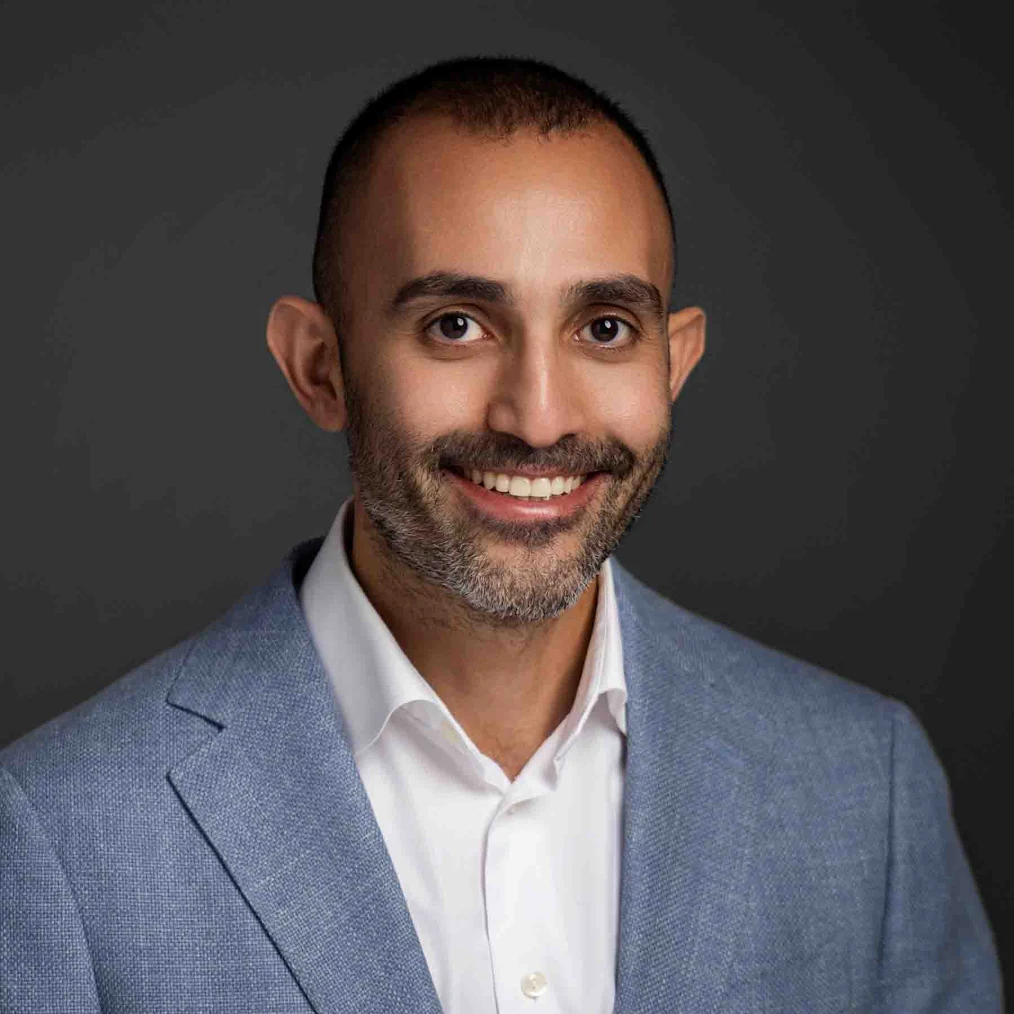
At South Florida Aesthetic & Reconstructive Surgery, we recognize that considering the best age for a facelift is a significant decision. Led by Dr. George Kamel, M.D., a plastic and reconstructive surgeon with residency training at Albert Einstein College of Medicine / Montefiore Medical Center, our practice provides individualized care that aligns with your unique aesthetic goals. With locations in Hollywood and Boynton Beach, we serve patients across South Florida with compassion and experience.
Dr. Kamel combines his extensive training, including a medical degree from Penn State College of Medicine and an advanced craniofacial research fellowship at Harvard / Massachusetts General Hospital, to offer a range of surgical and non-surgical options. His focus on natural results ensures that each treatment plan enhances your features while addressing signs of aging effectively. We prioritize informed decision-making, allowing you to feel confident and supported throughout your journey.
Contact UsSchedule Your Facelift Consultation Today
If you are considering the best age for a facelift in Hollywood or Boynton Beach, request a personalized consultation with Dr. George Kamel today. Benefit from his expertise as a member of the American Society of Plastic Surgeons and the Florida Society of Plastic Surgeons, and receive a detailed evaluation tailored to your aesthetic goals. Take the next step toward rejuvenating your appearance with professional guidance.
The journey to a refreshed look begins with exploring your options and receiving advice based on clinical evidence and your specific needs, ensuring that you achieve results appropriate for you. Individual outcomes may vary.